Send Help Coffee Cup: A Designer’s Stitch-Out Review
As an embroidery digitizer and product reviewer, I have stitched out thousands of designs ranging from intricate lace to simple monograms. When evaluating a new machine embroidery design for my own shop or client work, I look beyond the digital preview. I need to know how it behaves under the needle, how it feels against the skin, and whether it will actually sell as a finished product. The "Send Help Coffee Cup" design immediately caught my attention as a potential staple for the upcoming Back To School season, but also as a year-round seller for tired parents and professionals. After reviewing the file structure and running test stitches, here is my practical assessment for makers and business owners.
Capturing the Exhausted Parent Aesthetic
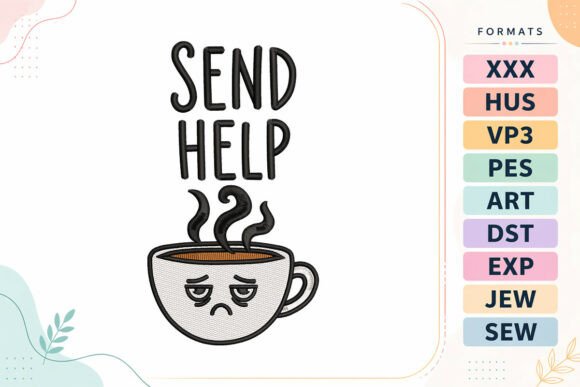
The first thing that stands out with Send Help Coffee Cup is its emotional resonance. In the world of custom apparel and novelty gifts, humor sells because it validates the customer's experience. This design features a tired coffee cup character paired with the phrase “Send Help.” Visually, it strikes a balance between cute and relatable. From a design perspective, the layout appears compact enough to fit on various items without overwhelming them, yet detailed enough to read clearly from a distance.
For an Etsy seller or small shop owner, this mood is marketable gold. It isn't just a graphic; it is a conversation starter. When I evaluate the visual personality, I see a design that bridges the gap between nursery aesthetics and adult humor. It avoids being too juvenile, which makes it appropriate for mom sweatshirts, teacher tote bags, and even office mugs. The character’s expression likely relies on specific facial details, so checking the clarity of those features in your embroidery file is essential before committing to bulk production.
Real-World Application: The Teacher Tote Bag Test
To truly judge this design, I mentally placed it in a real-life scenario: creating a personalized gift for a kindergarten teacher starting the new school year. Teachers are the primary demographic for Back To School embroidery, and they live on caffeine. For this project, I envisioned stitching Send Help Coffee Cup onto a natural canvas tote bag design.
In this application, the design needs to withstand friction and washing. Canvas is a sturdy fabric, but it has texture. If the design uses too many delicate running stitch details for the face or steam, they might get lost in the weave of the bag. However, if the designer utilized solid fill stitch areas or bold outlines, the contrast against the natural canvas would be excellent. As a maker, I would position this design centered on the front panel, roughly four inches wide. This size ensures the text remains legible while keeping the stitch density manageable so the bag doesn't become stiff or heavy.
This specific use case highlights why this design works commercially. It transforms a generic utility item into a thoughtful, humorous handmade product. Customers aren't buying a bag; they are buying a moment of solidarity with the recipient. If you are planning similar projects, consider offering this as an add-on personalization option during August and September.
Fabric Compatibility and Stabilizer Strategy
While the tote bag scenario is ideal, many crafters will want to apply Send Help Coffee Cup to apparel like t-shirts and hoodies. This is where technical judgment matters most. Apparel fabrics introduce variables like stretch and drape that stable items like towels do not have.
- Sweatshirt Embroidery: Fleece and French terry are forgiving, but they can swallow fine details. Ensure the design has adequate pull compensation in the digitizing. Use a medium-weight cutaway stabilizer to prevent puckering around the lettering.
- T-Shirts and Knits: These require careful hooping. If the design is dense, it may cause tunneling on lightweight jersey. Always use a fusible mesh stabilizer and a ballpoint needle to avoid damaging the fabric fibers.
- Kitchen Towels and Aprons: These are high-wash items. Verify that the thread colors used are colorfast. If the design includes an applique design element for the coffee cup body, ensure the tack-down stitches are secure enough to survive industrial laundering.
I must advise caution regarding curved surfaces. While this design might look adorable on a cap, the combination of text and a character often distorts on the curved brim or crown unless specifically digitized for hats. Unless the product description explicitly states it is cap-compatible, stick to flat surfaces for the best professional results.
Commercial Viability for Digital Sellers and Makers
For those selling digital embroidery files rather than physical goods, Send Help Coffee Cup represents a strong asset. However, you must manage buyer expectations. New embroiderers often struggle with registration issues on complex characters. If you sell this file, include a tech sheet noting recommended stabilizers and hoop sizes. This reduces customer support emails and returns.
For makers selling finished products, this design enhances perceived value. Generic clip art looks cheap; well-executed embroidery looks premium. The humor adds intangible value, but the stitch quality retains the customer. When photographing your finished product for listings, use natural lighting to show the texture of the stitches. A flat, digital mockup does not convey the tactile quality of the coffee cup character. Show the design on a wrinkled linen shirt or a slouchy tote to emphasize its cozy, realistic vibe.
Licensing and Usage Rights Check
Before listing any item featuring Send Help Coffee Cup, you must verify the licensing terms included with your purchase. Some designers allow unlimited commercial sales of physical items but prohibit mass production or digital redistribution. Others may require attribution. Never assume a design is free for commercial embroidery use. Protecting your business means respecting intellectual property. Check the read-me file or license certificate specifically for clauses regarding "printable mockups" and third-party manufacturing.
Designer Notes: Pre-Stitch Checklist
Based on my review of similar novelty designs, here are my non-negotiable steps before using Send Help Coffee Cup on a sellable item:
- Run a Test Stitch: Never stitch directly onto a final product first. Use scrap fabric that matches your project’s weight and texture. Check for gaps between the outline and fill, especially around the character's eyes and mouth.
- Evaluate Text Legibility: If the "Send Help" text is smaller than 0.25 inches in height, it may not stitch out cleanly on textured fabrics. Measure the actual output size during your test run.
- Check Thread Contrast: This design likely relies on contrast for humor. Test it on both white and dark fabrics. You may need to adjust thread colors or add a white underlay base when stitching on black sweatshirts to make the character pop.
- Inspect Hoop Size Requirements: Confirm the design dimensions fit your machine’s capabilities. Resizing a complex character design by more than 10-15% can distort stitch angles and ruin the visual appeal. Stick close to the original size.
- Review Washability: If making baby embroidery or kitchen items, wash your test swatch three times. Inspect for loose threads or shrinking. A funny design that falls apart after one wash damages your brand reputation.
Final Verdict on Project Suitability
Send Help Coffee Cup is more than just a seasonal novelty; it is a versatile design asset with strong commercial potential for the right audience. Its success depends entirely on execution. For sweatshirt embroidery and tote bags, it is a winner that captures the current cultural mood perfectly. For delicate fabrics or highly structured items like caps, proceed with technical caution.
As experienced makers, we know that a great embroidery project starts with understanding the design's limitations and strengths. By testing thoroughly and selecting appropriate substrates, you can turn this humorous file into a best-selling personalized gift or a reliable shop staple. Whether you are prepping for the Back To School rush or stocking your year-round inventory, this design offers a unique opportunity to connect with customers through shared exhaustion and caffeinated hope. Just remember to verify your specific file details and license terms before hitting start on your machine.