School Bus Embroidery: A Designer’s Stitch-Out Review
As an embroidery digitizer and product reviewer, I have stitched out thousands of designs, ranging from complex lace motifs to simple monograms. When evaluating a new machine embroidery design for my own production line or client work, I look beyond the digital preview. The true test is how the file behaves under the needle and whether it translates into a sellable, durable finished product. This review focuses on the School Bus Embroidery design, analyzing its practical application for Back To School projects, custom apparel, and commercial merchandise.
First Impressions and Visual Personality
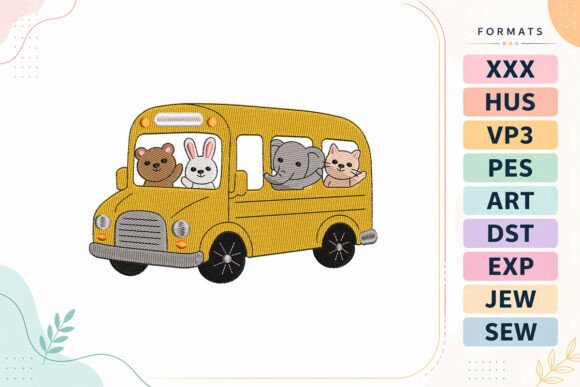
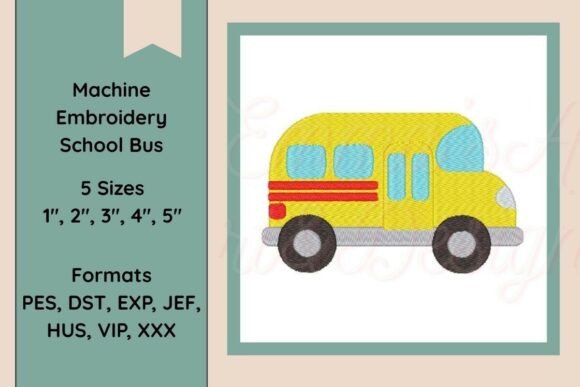
Upon loading this digital embroidery file into my software, the first thing that stands out is the balance between charm and clarity. A school bus is an iconic shape, but it can easily become a dense block of color if not digitized with intention. This design captures a bright, nostalgic mood without feeling overly cartoonish or messy. The layout suggests it was created with actual stitching in mind, rather than just being a vector graphic converted automatically.
The visual personality leans towards "cute but clean," making it versatile enough for a toddler’s backpack or a teacher’s lounge sweatshirt. For an Etsy seller or craft business owner, this aesthetic is crucial. It bridges the gap between nursery decor and general scholastic themes, widening your potential customer base. The lines appear distinct in the preview, suggesting that the satin stitch borders are wide enough to prevent fraying while remaining proportional to the overall size.
Real-World Application: The Custom Tote Bag Test
To truly evaluate this tote bag design, I approached it as if I were fulfilling a custom order for a local PTA fundraiser. Canvas tote bags are a staple Back To School item, but they present specific challenges due to fabric texture and weight. I selected a medium-weight natural canvas and paired it with a tear-away stabilizer to maintain registration.
During the stitch-out, the design performed admirably. The fill stitch areas provided solid coverage without excessive puckering, which is often a risk with large solid shapes on woven fabrics. The bright yellow thread popped beautifully against the natural canvas, creating high contrast that is essential for visibility and photographic appeal. If you are creating printable mockups for your shop listings, this level of contrast ensures the design looks vibrant even in digital previews.
I also considered how this would translate to sweatshirt embroidery. Fleece and French terry fabrics can swallow fine details. Because this School Bus Embroidery features bold outlines and substantial fill areas, it holds up well on textured knits. However, for lighter t-shirts or baby embroidery projects, you must be mindful of density. While the design is high quality, placing a dense motif on thin jersey knit requires a cut-away stabilizer and potentially a lighter topping to prevent the fabric from distorting.
Critical Considerations for Fabric and Hoop Size
No embroidery project exists in a vacuum. While this design is robust, there are specific scenarios where caution is required. As a professional, I advise checking your hoop size compatibility before purchasing or stitching. Ensure the design fits comfortably within your hoop with adequate margin for stabilization; cramming a design into the maximum hoop area often leads to tension issues and misalignment.
When working with dark fabrics, remember that the bright yellow school bus will require a white underlay to prevent the dark fabric color from bleeding through the stitches. If the embroidery file does not include a dedicated underlay layer for dark garments, you may need to add one manually or use a white felt backing. This extra step preserves the vibrancy of the thread colors and elevates the perceived value of the handmade product.
For those considering this as an applique design variation, verify the placement lines. Some school bus designs are intended purely as full-stitch fills, while others offer applique options to reduce stitch count and add texture. Using a full-fill design when an applique was intended (or vice versa) can ruin the garment's drape. Always inspect the stitch sequence in your machine or editing software before committing to the final run.
Commercial Viability and Product Value
For small shop product creators and commercial embroidery businesses, time is money. This design strikes a good balance between detail and efficiency. It avoids unnecessary jump stitches and excessive trims, which streamlines production. When selling custom apparel or personalized gifts, consistency is key to building brand trust. A design that stitches out cleanly every time allows you to price your items confidently, knowing you won't waste materials on failed runs.
The theme itself has strong seasonal relevance but also evergreen potential. While peak sales occur during August and September, School Bus Embroidery remains popular for teacher appreciation gifts, homeschooling milestones, and transportation-themed birthday parties year-round. This longevity makes it a valuable asset in your design assets library. Furthermore, the clean aesthetic photographs well, which is vital for social media marketing and engaging buyers who rely on visual proof of quality.
Designer Notes for Best Results
Before adding this design to your next collection or accepting a client commission, please adhere to these practical guidelines:
- Test Stitch First: Never stitch directly onto a final product without testing on scrap fabric of similar weight and weave. Check for registration errors or tension issues.
- Verify Licensing: Confirm whether the license permits commercial use of finished items versus selling the digital embroidery file itself. These rights are rarely interchangeable.
- Check Thread Contrast: View the design in black and white within your software to ensure internal details rely on stitch direction or texture rather than just color changes. This ensures readability on monochromatic garments.
- Stabilizer Selection: Match your stabilizer to the fabric, not just the design. Stretchy knits need cut-away; wovens can often use tear-away. Proper stabilization prevents the "bulletproof" stiff feeling that devalues holiday embroidery and everyday wear alike.
- Mockup Accuracy: When creating listing photos, use realistic textures. A flat digital overlay does not represent the tactile reality of embroidery. Customers appreciate seeing actual stitch texture.
- Washability: Consider the end use. If this is for a kitchen towel or baby bib that will see frequent laundering, ensure the stitch density is sufficient to withstand abrasion without gaps forming over time.
Elevating Your Handmade Business
Ultimately, the success of any embroidered patch, cap, or garment depends on the maker's attention to detail. This School Bus Embroidery design offers a solid foundation for Back To School collections and beyond. Its clean lines and cheerful aesthetic make it a reliable choice for both hobbyists and professionals. By understanding how the design interacts with different fabric textures and applying proper stabilization techniques, you can transform a digital file into a cherished personalized gift or a best-selling boutique item.
Remember that your reputation as a maker is stitched into every product. Take the time to understand the nuances of this file, respect the licensing terms, and prioritize quality control. Whether you are decorating a denim jacket for a kindergartner or branding merchandise for a school event, this design has the potential to deliver professional, vibrant results that resonate with customers and celebrate the spirit of learning.