Teacher Rainbow Embroidery: A Designer’s Review
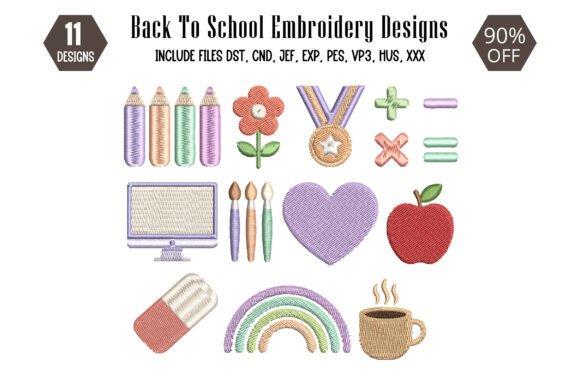
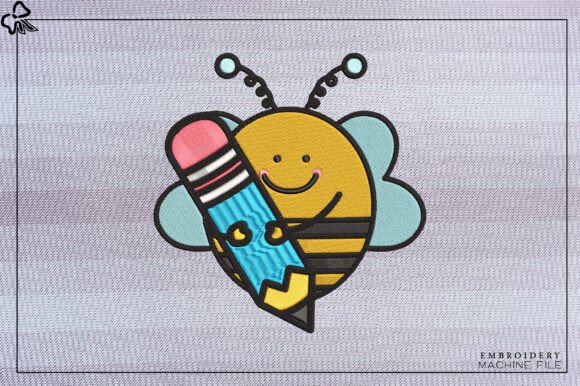
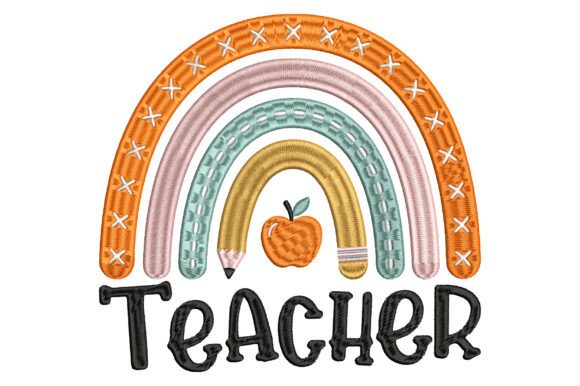
As a professional embroidery designer and product reviewer, I approach every new machine embroidery design with a critical eye. It is not enough for a graphic to look charming on a screen; it must translate into physical stitches that hold up to wear, washing, and customer scrutiny. When evaluating the Teacher Rainbow Embroidery design, my primary focus is on its versatility within the Back To School category and its technical viability for commercial and personal projects. This design features a soft, pastel rainbow with playful stitched details and a pencil motif, creating an immediate sense of warmth and appreciation. However, the true test lies in how these elements perform when needle meets fabric.
First Impressions and Visual Personality
Upon loading the embroidery file into my editing software, the first thing that stands out is the color palette. The use of soft pastels rather than saturated primaries suggests a specific aesthetic: gentle, modern, and boutique-ready. This mood dictates where the design belongs. It feels less like generic school supply clip art and more like a thoughtful personalized gift or premium handmade product. The inclusion of the pencil adds necessary context without overwhelming the composition, balancing whimsy with recognizable symbolism.
For Etsy sellers and craft business owners, this visual personality is a significant asset. It avoids the harshness that can sometimes plague educational themes, making it suitable for adult educators who want to celebrate their profession without wearing something juvenile. The layout appears balanced, suggesting it will center well on various garments and accessories. As a reviewer, I appreciate designs that understand their audience; this one clearly targets makers who value aesthetics as much as theme.
Real-World Application: The Custom Sweatshirt Test
To truly evaluate this design, I mentally placed it in a real-life production scenario: creating a custom crewneck sweatshirt for a teacher appreciation event. Sweatshirts are a staple for custom apparel, but they present unique challenges due to fabric texture and stretch. In this scenario, the Teacher Rainbow Embroidery needs to be legible from a distance while remaining soft against the skin.
The pastel thread colors require careful consideration against garment shades. On a white or cream sweatshirt, the design will pop beautifully. However, if a client requests a navy or charcoal base, the low contrast could cause the rainbow to disappear. In my review process, I always recommend testing thread colors against the actual garment material before running a full production batch. For this specific project, I would likely add a subtle outline or increase the stitch density slightly to ensure definition on darker fabrics. This practical adjustment transforms a pretty digital image into a viable finished product that customers will actually want to wear.
Technical Performance Across Different Substrates
Versatility is key for any digital embroidery file intended for commercial use. Here is how I assess the Teacher Rainbow Embroidery across common project types:
- Tote Bag Design: Canvas tote bags provide a stable, non-stretch surface ideal for this design. The pencil detail should stitch out crisply here. Because totes are often unlined, using a tear-away stabilizer is crucial to prevent puckering around the rainbow curves.
- Baby Embroidery: While primarily a teacher theme, the soft colors make this adaptable for nursery decor or baby blankets for teachers' children. If used on plush minky or fleece, you must use a water-soluble topping to prevent stitches from sinking into the pile. Check that the design does not have excessive jump stitches, which can be snag hazards for little ones.
- Kitchen Towels and Aprons: These items undergo frequent laundering. I would inspect the design for large open areas that might gap after washing. A tighter fill stitch or incorporating an applique design element for the rainbow arches could enhance durability for high-wear items.
- Embroidered Patches: If adapting this for patches, verify that the border is defined. The pencil tip and rainbow ends need clean termination points to prevent fraying when cut from the backing.
Navigating Fabric Challenges and Limitations
No design is universal, and recognizing limitations is part of professional judgment. There are specific scenarios where I would advise caution when using Teacher Rainbow Embroidery:
Textured and Stretchy Fabrics
On highly textured fabrics like terry cloth or ribbed knits, fine details in the pencil or rainbow accents may get lost. The fabric texture competes with the stitch definition. In these cases, simplifying the design or increasing column widths is necessary. Similarly, on performance stretch fabrics, improper stabilization can lead to distortion. Always use a fusible no-show mesh stabilizer to maintain the integrity of the rainbow shape during wear.
Small Hoop Sizes and Tiny Details
If resizing down for a 4x4 hoop size or smaller placement on a sleeve, scrutinize the smallest elements. Text or thin lines may become unreadable or cause thread breaks. Never reduce a design below its minimum safe threshold. If the original file lacks specific sizing data, run a test stitch-out at your desired dimensions before committing to a commercial embroidery order.
Dark Fabrics and Contrast Issues
As mentioned with the sweatshirt example, pastels struggle on dark backgrounds. Rather than avoiding dark garments entirely, consider adding a white underlay or outline to create separation. This extra step ensures the design remains visible and maintains its intended cheerful aesthetic.
Business Value and Professional Presentation
For small shop product lines and design assets, consistency builds trust. Using Teacher Rainbow Embroidery effectively means presenting it professionally. When creating listings, avoid relying solely on digital renderings. Customers engage more with photos of actual stitched samples because they demonstrate reality over promise.
I strongly recommend creating a printable mockup only after verifying the stitch-out quality. If selling the digital embroidery file itself, provide clear notes on recommended stabilizers, thread brands, and tested fabrics. This transparency reduces customer support inquiries and establishes your reputation as a knowledgeable seller. For those offering holiday embroidery services, this design bridges the gap between seasonal back-to-school sales and general teacher appreciation gifts, extending its commercial shelf life.
Essential Designer Notes Before Stitching
Before you hoop fabric or list a product, follow this practical checklist derived from my review experience:
- Test on Scrap Fabric First: Never assume settings are perfect. Stitch on a remnant identical to your final project to check tension and registration.
- Verify Licensing: Confirm whether the license permits selling finished items, digital files, or both. Respect intellectual property to protect your business.
- Check Thread Color Contrast: View your thread selection in natural light. What looks distinct on screen may blend together in person.
- Review Stitch Density: Ensure the design isn’t too dense for lightweight fabrics or too sparse for heavy materials. Adjust compensation settings if needed.
- Inspect Small Details: Zoom in on the embroidery file to identify potential problem areas like tiny satin columns or complex overlaps.
- Confirm Hoop Size Compatibility: Double-check that the design fits your machine’s capabilities with adequate margin for hoop clearance.
- Wash Test for Wearables: If selling apparel, wash and dry a sample to ensure the embroidery survives care cycles without distortion.
Teacher Rainbow Embroidery offers genuine potential for makers who approach it with intention. Its soft aesthetic fills a niche in the education market that values style alongside sentiment. By applying these practical insights—from substrate selection to business presentation—you can transform this design from a simple digital file into a standout addition to your embroidery repertoire. Remember, successful embroidery projects are born from the marriage of beautiful design and disciplined execution. Happy stitching!