Summer Break Line Art Teacher Design Review
As an embroidery designer preparing for the upcoming weekend craft fair circuit, I approach every new digital file with a critical eye. It is not enough for a design to look perfect on a computer screen; it must translate into a tangible, sellable item that catches the attention of shoppers walking past a booth. When evaluating the Summer Break Line Art Teacher design, specifically the "Teacher Mode Off" concept, I am looking for that perfect intersection of relatable humor, production efficiency, and aesthetic appeal. This review breaks down how this specific machine embroidery design performs in a real-world commercial setting, from digitization quality to final product viability for handmade market vendors.
First Impressions: Minimalist Humor Meets Market Trends
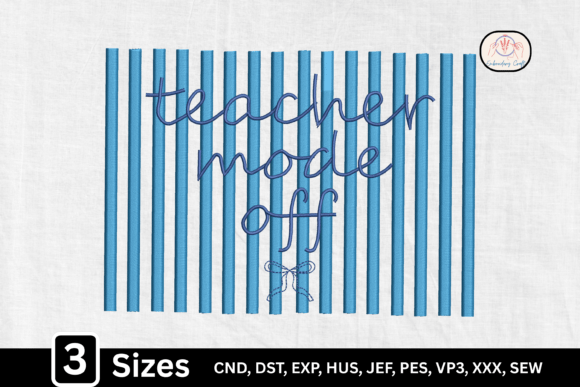
My immediate reaction to the Summer Break Line Art Teacher file is that it hits the current sweet spot for teacher appreciation gifts. The description highlights a minimalist script style, which is crucial for modern embroidery. In a crowded craft fair booth filled with colorful, dense designs, minimalism stands out because it breathes. It feels elegant rather than cluttered. The phrase "Teacher Mode Off" provides instant emotional connection; it is funny without being offensive, making it safe for a wide demographic of buyers including parents, administrators, and fellow educators.
From a production standpoint, line art and minimalist script are generally faster to stitch out than filled satin or complex tatami fills. For an Etsy seller or small shop product creator, time is money. If this embroidery file maintains clean lines without excessive jump stitches or trims, it becomes a high-margin asset. The visual weight suggests it will work beautifully as a subtle accent rather than overwhelming the base fabric, allowing the texture of high-quality linens or cottons to remain visible. This balance is what elevates a project from "homemade" to "premium handmade product."
Best Product Applications for Craft Fair Success
Determining where to place the Summer Break Line Art Teacher design is just as important as the stitching itself. Based on the minimalist nature and the summer theme, here is my assessment of the best vehicles for this design:
- Tea Towels and Kitchen Linens: This is likely your strongest seller. Teachers love functional gifts. A flour sack towel with this design in a contrasting thread color photographs exceptionally well for printable mockups and looks expensive in person. The absorbency of tea towels pairs perfectly with lightweight line art.
- Tote Bags and Market Bags: As a tote bag design, this quote serves as a conversation starter. Because the design is described as minimalist, it leaves plenty of negative space, preventing the bag from looking too heavy or stiff. This makes it ideal for canvas or linen blends often used in summer markets.
- Apron Embroidery: For teachers who bake or cook during their break, an apron featuring "Teacher Mode Off" adds personality. Ensure the placement is centered on the chest bib area for maximum visibility when worn.
- Embroidered Patches: Creating standalone patches allows customers to customize their own denim jackets or backpacks. This turns one embroidery file into multiple revenue streams at a single booth.
- Caps and Hats: While possible, caps require careful consideration. Minimalist script can sometimes get lost on the curved surface of a hat unless scaled correctly. Test this application rigorously before batch production.
Production Practicalities and Stitch Performance
When integrating this digital embroidery file into a production lineup, practical concerns take precedence over artistic preference. Line art relies entirely on precision. There is no fill to hide registration errors or tension issues. Before listing this as a commercial embroidery product, you must verify the stitch density. If the lines are too thin, they may disappear into textured fabrics like waffle weave or terry cloth. Conversely, if the digitizer compensated for texture by making the lines too thick, the design loses its delicate, minimalist charm.
For batch production, repeatability is key. Does the design hoop consistently? Are the thread colors manageable? A design requiring six different thread changes for a simple quote will slow down your workflow significantly. Ideally, this Summer Break Line Art Teacher design should be executable in one or two colors max. This simplicity not only speeds up production but also creates a cohesive brand aesthetic across your entire booth display. Buyers are more likely to purchase multiple items when the collection feels curated and consistent.
Critical Use Notes for Makers
Even the best embroidery file has limitations based on substrate and scale. Please observe these cautions when working with this design:
- Small Lettering Clarity: Minimalist script often features thin connecting lines. If you resize this design down for a small pouch or sleeve cuff, those connectors may break or become illegible. Always check the minimum recommended size in the file details.
- Fabric Texture Compatibility: Avoid using this specific line art style on high-pile fleece or plush minky. The stitches will sink in. Stick to woven cottons, linens, canvas, and smooth knits.
- Dark Fabric Contrast: Light-colored thread on dark fabric requires adequate underlay to prevent the fabric color from showing through the stitches. Verify the digitizing includes proper underlay for contrast scenarios, or add a layer of white underlay manually if needed.
- Stabilizer Selection: Because line art lacks structural integrity from dense fill stitches, your stabilizer choice is non-negotiable. Use a tear-away or cut-away appropriate for the fabric weight to prevent puckering around the script.
Maximizing Visual Appeal and Buyer Engagement
The success of a craft fair product often hinges on how quickly a customer understands the value proposition. The Summer Break Line Art Teacher design succeeds because it communicates its message instantly. In a busy market environment, shoppers scan tables in seconds. Bold, readable typography combined with a recognizable sentiment wins over intricate, hard-to-decode artwork every time.
For online sellers, this design translates effortlessly to digital listings. The clean lines make for crisp printable mockups that load quickly and look professional on mobile devices. When photographing finished products, natural lighting is essential to capture the sheen of the thread against the matte fabric. Show the product in use—a hand holding the tote, the towel draped over an oven handle—to help the buyer visualize the item in their own life. This contextual selling increases perceived value and justifies a higher price point for your handmade goods.
Designer’s Pre-Production Checklist
Before you commit to stitching out fifty units for your next event, run through this professional checklist to ensure the Summer Break Line Art Teacher design meets your quality standards:
- Test Stitch on Scrap: Never assume a digital file is perfect. Run a test on the exact fabric you intend to sell. Check for gaps, pulls, or bobbin thread showing on top.
- Verify Hoop Size: Confirm the design dimensions fit your most commonly used hoops. Re-hooping for a larger size wastes time and increases alignment risks.
- Check Commercial Licensing: Review the license terms included with the embroidery file. Ensure you have the right to sell physical finished products. Some licenses restrict mass production or require attribution.
- Thread Color Validation: Compare your physical thread inventory against the design’s color chart. Screen colors rarely match reality. Select threads that complement your summer palette to maintain brand consistency.
- Create a Real Sample: Do not rely solely on software simulations. A physical sample allows you to assess drape, stiffness, and tactile quality, all of which influence buyer decisions at a craft fair.
Ultimately, the Summer Break Line Art Teacher design represents a strong opportunity for creative entrepreneurs. It balances trend-awareness with timeless humor, offers versatile application across multiple product types, and supports efficient production workflows. By applying these professional insights and adhering to best practices in stabilization and testing, you can transform this digital asset into a best-selling staple for your summer market season. Remember, in the world of commercial embroidery, the difference between a hobbyist and a business owner lies in the rigorous evaluation of every stitch before it ever reaches the customer.