Varsity Teacher Bow: A Merch Design Review
As an embroidery designer who specializes in commercial branding and small business merchandise, I approach every new machine embroidery design with a critical eye toward production viability. When evaluating the Varsity Teacher Bow for potential use in branded apparel, patches, or boutique merchandise, my primary concern is not just aesthetic appeal, but how the digitizing translates to real-world manufacturing. This review analyzes the design from the perspective of a shop owner or apparel decorator looking to create consistent, high-quality goods that withstand daily wear and frequent washing.
First Impressions: Balancing Playful and Professional
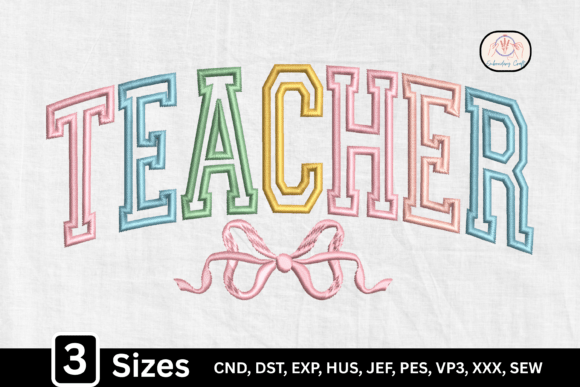
The Varsity Teacher Bow immediately presents a distinct visual personality that bridges the gap between academic tradition and modern handmade charm. The varsity-style lettering suggests boldness and readability, which are non-negotiable traits for any successful brand identity. In the context of small business merch, this style works exceptionally well because it evokes nostalgia and trust while remaining visually crisp from a distance. The addition of the bow element softens the rigid athletic aesthetic, making it suitable for creative studios, bakeries, florists, and children’s boutiques rather than just traditional educational settings.
From a digitizing standpoint, appliqué-style designs like this are generally superior for large-format merchandise because they reduce overall stitch density while maximizing coverage. For a business owner, this means faster run times on multi-needle machines and less puckering on lightweight fabrics. However, the success of this specific design depends heavily on the precision of the placement lines and tack-down stitches. If the satin borders are too narrow or the registration is off, the final finished product will look amateurish rather than premium.
Commercial Applications Beyond the Classroom
While the name implies a school focus, experienced merch creators know that versatile design assets can be repurposed across various industries. Here is how the Varsity Teacher Bow performs in specific commercial scenarios:
- Staff Uniforms and Aprons: For a café or bakery, this design serves as an excellent chest logo or back yoke accent. The varsity font ensures legibility across a busy counter, while the bow adds a bespoke, handmade product feel that customers appreciate in artisanal businesses.
- Tote Bag Design: Canvas totes are a staple for retail branding. This design provides ample surface area for color blocking, allowing shops to match thread colors to their specific brand palette without losing definition.
- Embroidered Patch Production: Because of its bold outlines and filled centers, this artwork is a strong candidate for merrowed-edge patches. Patches offer flexibility; you can produce them in bulk and apply them to caps, jackets, or beanies as needed, reducing inventory risk.
- Etsy Branding and Packaging: For digital sellers or crafters, using this design on thank-you card holders, fabric dust bags, or envelope linings elevates the unboxing experience and reinforces visual consistency.
Production Constraints and Technical Considerations
No digital embroidery file is universal. As a professional, I must highlight where the Varsity Teacher Bow requires careful handling to avoid production failures. The interplay between the block letters and the curved bow shape creates potential tension issues if not managed correctly.
Sizing and Legibility Risks
You must verify the minimum size specifications before purchasing or stitching. Varsity fonts rely on column width; if you resize this design down for a sleeve cuff or a small hat front, the satin stitches may become too thin to cover the fabric grain, or the appliqué material may fray. Always check the original hoop size and recommended dimensions. If your project requires a 2-inch patch, ensure the design was specifically digitized for that scale rather than simply shrunk in software.
Fabric Texture and Stabilizer Selection
The performance of this embroidery file varies drastically by substrate. On smooth cotton twill or poplin, the design should register cleanly. However, on textured fabrics like linen, burlap, or pique knit, the fine details of the bow may get lost. For apron embroidery on heavy canvas, you will need a robust cutaway stabilizer to prevent the dense varsity letters from distorting the garment. Conversely, on stretchy jersey knits for t-shirts, excessive density could cause tunneling. Always run a test sew on the exact material intended for the final run.
Cap Embroidery Challenges
If you intend to use this for cap embroidery, proceed with caution. Curved surfaces distort horizontal lines. Unless the file includes specific cap-compensation settings or you have the ability to modify pull compensation, the bow may appear warped when worn. Flat-brimmed hats or structured caps generally yield better results for this geometry than unstructured dad hats.
Impact on Brand Value and Customer Perception
In the competitive landscape of custom apparel and handmade goods, the quality of your embroidery directly correlates to perceived value. A clean, well-executed Varsity Teacher Bow signals professionalism and attention to detail. It tells the customer that the business invests in quality presentation. Conversely, poor registration, thread breaks, or fraying appliqué edges suggest a lack of care that can undermine trust in your core products.
Visual consistency is key. If you use this design for staff shirts, ensure the placement is identical on every garment. Use jigs or laser alignment systems during production. When customers see uniform branding, it reinforces the legitimacy of the business. Furthermore, offering this design as part of a cohesive collection—perhaps matching the tote bag to the apron—increases average order value and strengthens buyer engagement through recognizable aesthetics.
Essential Designer Notes for Business Owners
Before committing this design to a full production run for your shop or client, follow this professional checklist to ensure commercial success:
- Verify Commercial Licensing: Never assume a machine embroidery design is cleared for business use. Check the license terms explicitly to confirm you can sell finished items or use the design for paid services.
- Test in Black and White: Run a sample using only black thread on white fabric (or vice versa). This removes color distraction and reveals true registration errors, spacing issues, or density gaps.
- Create a Printable Mockup: Before stitching expensive blanks, place the design digitally over a photo of the actual garment. Share this printable mockup with clients for approval to manage expectations regarding size and placement.
- Audit Thread Contrast: Ensure your chosen thread colors provide sufficient contrast against the base fabric. Varsity styles fail if the outline blends into the background.
- Inspect Spacing and Kerning: Look closely at the space between the letters and the bow. Inconsistent spacing looks unprofessional. If necessary, edit the file to balance the visual weight.
- Confirm Hoop Compatibility: Double-check that the design fits your machine’s hoop with adequate clearance for the presser foot. Running out of field mid-design ruins the entire piece.
- Wash Test: For commercial embroidery meant for uniforms or daily use, wash and dry the test sample three times. Inspect for shrinkage, fraying, or stabilizer residue. Durability is a feature, not an afterthought.
The Varsity Teacher Bow offers significant potential for small businesses seeking a blend of classic Americana and cute, approachable branding. By treating this embroidery file as a professional asset rather than a simple decoration, and by adhering to strict testing protocols, you can transform it into a profitable component of your merchandise lineup. Always prioritize technical execution and brand alignment to ensure your embroidered products stand the test of time and commerce.