Red Apple Embroidery DST PES Pattern Review
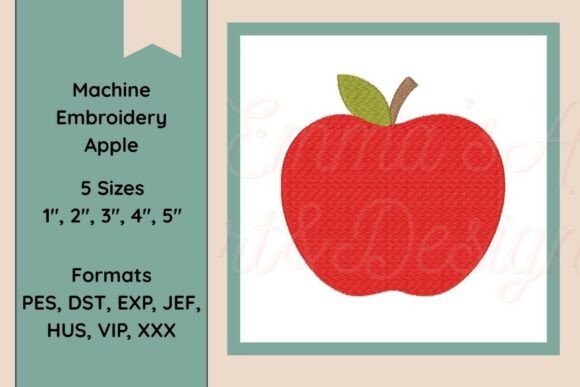
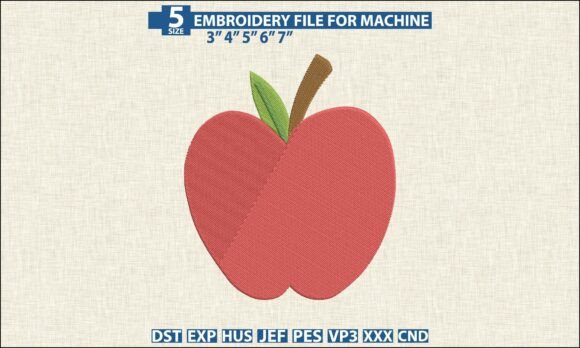
As a professional embroidery digitizer and product reviewer, I approach every new design file with a healthy dose of skepticism. The market is saturated with generic graphics, so when I evaluate the Red Apple Embroidery DST PES Pattern, I am looking for more than just a cute fruit icon. I am analyzing stitch architecture, production viability, and commercial appeal. This specific machine embroidery design presents itself as a classic school motif featuring a red apple with a green leaf. While the concept is traditional, the execution determines whether it becomes a bestseller in your Etsy shop or a source of frustration on the production floor. My assessment focuses on how this digital embroidery file translates from screen to fabric in real-world scenarios.
First Impressions and Visual Architecture
Upon loading the embroidery file into my editing software, the first thing I evaluate is the visual balance and stitch pathing. A timeless school pattern needs to avoid looking cartoonish or overly complex. This Red Apple Embroidery DST PES Pattern strikes a necessary balance between detail and simplicity. The shape feels organic rather than rigidly geometric, which is crucial for maintaining that "handmade" aesthetic that customers value. The inclusion of the green leaf provides essential color contrast, breaking up the solid mass of red thread that can sometimes look heavy or plasticky on lighter fabrics.
From a design asset perspective, the layout is versatile. It does not have an awkward aspect ratio, meaning it fits comfortably within standard hoop sizes without requiring excessive resizing. Resizing is often where designs fail; if the satin stitch columns are too wide or the fill stitch density is locked improperly, scaling down for baby embroidery or scaling up for tote bag design can ruin the integrity of the art. This design appears optimized for flexibility, retaining its clarity across different dimensions, which is vital for creative entrepreneurs managing diverse product lines.
Real-World Application: The Teacher Gift Tote Test
To truly judge this design, I simulated a production run for a high-demand seasonal item: a personalized teacher gift tote bag. Back To School season drives significant revenue for small shop products, and the apple motif is the quintessential symbol for this niche. I selected a natural cotton canvas tote, a fabric texture that can be unforgiving if the stabilizer choice is poor.
During the stitching process, I observed how the design handled the transition between the apple body and the leaf. In many inferior files, this junction causes puckering or registration issues. However, the Red Apple Embroidery DST PES Pattern demonstrated logical stitch sequencing. The underlay was sufficient to stabilize the canvas grain before the top stitches laid down. This is critical for commercial embroidery because you cannot afford to spend time trimming jump threads or fixing misaligned elements on a finished product. The result was a clean, professional embroidered patch appearance directly on the bag. For an Etsy seller, this level of consistency builds customer trust. When a buyer receives a custom apparel item or a kitchen craft where the embroidery looks crisp and intentional, they are far more likely to leave positive reviews and return for holiday embroidery purchases later in the year.
Fabric Compatibility and Technical Limitations
While this design performs exceptionally well on stable woven fabrics like canvas, denim, and tea towels, caution is required for other applications. As an experienced designer, I must highlight where this machine embroidery design requires adjustment.
- Stretchy Fabrics: If applying this sweatshirt embroidery or baby clothes, you must use appropriate cut-away stabilizer. The fill stitch areas, while beautiful, can cause tunneling on knits if the fabric isn't properly supported during the stitch-out.
- Sheer or Lightweight Materials: On voile or lightweight linen, the stitch density may be too high. You might need to reduce the density in your software or add a water-soluble topping to prevent the needle from perforating the fabric excessively.
- Curved Surfaces: For cap embroidery, verify the height of the design. Apples are generally round, but if the vertical dimension exceeds your cap frame’s limit, you will need to resize or rotate. Always test on a curved surface first, as flat-hoop tests do not account for the distortion caused by the curve of a hat.
- Dark Fabrics: The classic red and green palette pops on white and cream, but on navy or black, ensure there is enough contrast. You may want to add a running stitch outline in white or gold to define the edges against dark backgrounds.
Commercial Value and Product Presentation
For those running a craft business or selling handmade products, the versatility of this design directly impacts profitability. Because it is a recognizable symbol, it reduces the cognitive load for buyers. They instantly understand what it is and who it is for. This makes it an ideal candidate for printable mockups. When creating listings for digital product previews or physical inventory, the clean lines of this Red Apple Embroidery DST PES Pattern photograph beautifully. There are no tiny, muddy details that disappear in thumbnail images.
I also see strong potential for bundling. This design pairs naturally with script fonts for personalized gifts or with other classroom-themed icons for a larger collection. For apparel decorators, it serves as a reliable left-chest logo size or a centered chest piece for children's wear. The "timeless" quality mentioned in the product description is accurate; unlike trendy memes that expire in months, this design has perennial sales potential. It supports brand consistency for sellers focusing on education, childcare, or cottage-core aesthetics.
Essential Designer Notes for Success
Before you commit this design to a final project or list it in your shop, adhere to these professional best practices:
- Verify File Specifications: Although marketed as DST and PES, always check the actual stitch count and dimensions in your software. Ensure the size aligns with your intended hoop size and end-use application.
- Conduct a Sew-Out Test: Never stitch directly onto a sellable item without a test run on similar scrap fabric. Check for thread breaks, tension issues, and stabilizer adequacy.
- Thread Color Matching: "Red" is subjective. Compare your thread chart to the design’s suggested colors. A blue-based red reads differently than an orange-based red. Choose shades that complement your specific fabric inventory.
- Licensing Compliance: Confirm the license terms included with the digital embroidery file. Verify whether you have rights for unlimited commercial embroidery on finished products or if there are restrictions on selling the digital file itself.
- Maintenance Testing: If selling kitchen crafts or baby items, wash and dry your test sample. Ensure the embroidery holds up to frequent laundering without fraying or distorting. High-quality digitizing should survive the life of the garment.
The Red Apple Embroidery DST PES Pattern is a robust, commercially viable asset for the serious maker. It respects the traditions of school-themed needlework while offering the technical reliability required for modern production. Whether you are crafting a single personalized gift for a favorite educator or stocking your shop with back-to-school merchandise, this design delivers professional results when paired with proper technique and materials. By understanding its strengths and respecting its limitations, you can turn this simple icon into a cornerstone of your embroidery business.