Machine Embroidery Apple: A Seller's Review
As an Etsy seller and small business owner, I am constantly scouting for digital assets that can transition seamlessly from a screen to a tangible, profitable product. When browsing Creative Fabrica embroidery collections, I look for more than just a pretty picture; I need a design that stitches out cleanly, appeals to current market trends, and offers versatility across multiple product lines. The Machine Embroidery Apple design immediately caught my attention as a potential staple for my upcoming seasonal inventory. Described as a bright, clean, and vibrant option for school teacher projects, this design warrants a closer look for anyone in the handmade product space.
Evaluating the Visual Style and Market Fit
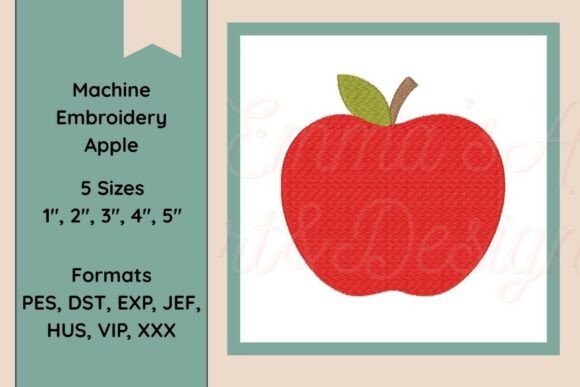
The first thing I assess with any machine embroidery design is its aesthetic personality. Based on the description of this Machine Embroidery Apple, the style leans towards classic and vibrant rather than overly distressed or vintage. This distinction is crucial for business planning. A "clean" design typically implies defined edges and solid fill areas, which translates beautifully on camera and in person. For an Etsy seller, this visual clarity is a major asset. Shoppers scrolling through feeds on mobile devices need to instantly recognize the motif. A crisp apple silhouette reads faster than a complex, shaded illustration when viewed as a thumbnail.
This design feels inherently optimistic and traditional. It strikes a balance between playful and professional, making it suitable for both children’s items and adult accessories. In the context of Back To School merchandise, it avoids looking too juvenile, meaning it can be marketed to teachers, parents, and even university students. The vibrancy mentioned in the product details suggests high contrast, which is essential for creating listings that pop against white or neutral backgrounds in product photography.
Product Applications for Small Business Owners
Versatility is the key to maximizing the return on investment for any embroidery file. As I plan my production schedule, I can visualize this Machine Embroidery Apple across several distinct categories. Here is how I would integrate this design into a commercial embroidery workflow:
- Teacher Appreciation and Gifts: This is the most obvious application. Personalized tote bags featuring this apple design are perennial bestsellers in August and September. Because the design is described as clean, it pairs well with custom text, such as a teacher's name or grade level, without competing for visual attention.
- Kitchen and Home Decor: Apples are a classic kitchen motif. I see strong potential for flour sack towels and aprons. The "bright" nature of the design allows for color variations—stitching in red for autumn, green for spring, or multi-colored for year-round appeal. This extends the shelf life of the product beyond just the Back To School season.
- Apparel and Wearables: For sweatshirt embroidery or caps, placement is everything. This design likely works well as a left-chest logo or a centered yoke design. Its classic vibe makes it appropriate for boutique merchandise where customers want a polished, preppy aesthetic rather than a cartoonish look.
- Baby and Kids Items: While elegant enough for adults, the apple shape is universally recognized by children. It would stitch up nicely on baby blankets or bibs. However, as a seller, I would verify the stitch density to ensure it isn't too heavy for delicate fabrics before listing these items.
Technical Considerations for Production
Before adding any new design to my shop, I must validate its technical performance. Even the most beautiful digital file can become a liability if it causes production issues. When evaluating this Machine Embroidery Apple, I recommend fellow craft business owners take the following practical steps:
Verify Hoop Size and Dimensions
The product description highlights the design's suitability for various projects, but it does not specify exact dimensions. You must confirm the hoop size requirements on the Creative Fabrica product page before purchasing. If you run a multi-needle machine or a single-needle home machine, knowing whether this fits a 4x4, 5x7, or larger hoop is non-negotiable. Resizing a design significantly can alter stitch density and cause registration issues, so having the native size information is vital for planning your blank inventory.
Assess Stitch Density and Stabilizer Needs
A "vibrant" and "clean" design often implies good coverage, but coverage equals density. High-density designs require robust stabilization. Before listing a finished product, stitch a sample on your intended fabric. If you plan to use this for lightweight tote bag designs or knit sweatshirts, test different stabilizers to prevent puckering. A puckered apple will result in returns and negative reviews. Taking the time to dial in the perfect stabilizer combination ensures your commercial embroidery products maintain a premium feel.
Thread Color Strategy
Since the design is marketed as bright, thread selection will define your brand's interpretation. I suggest creating a color chart specific to this file. Test how the design looks with matte versus rayon threads. Sometimes, a design that looks flat on screen comes alive with high-sheen thread, or vice versa. Documenting your successful thread colors saves time during reorders and ensures consistency across batches.
Enhancing Listing Quality and Buyer Value
In the digital marketplace, we are selling a vision as much as a physical item. This Machine Embroidery Apple has specific attributes that can enhance your Etsy listings. Because the design is clean and iconic, it is exceptionally easy to photograph. Complex, busy designs often get lost in photos, but a bold apple provides a clear focal point. This makes creating printable mockups easier as well. If you sell the digital embroidery file yourself or use mockups to preview custom orders, the simple geometry of an apple allows for clean, professional overlays.
Furthermore, this design supports the "giftable" factor. Buyers shopping for personalized gifts are often overwhelmed by choices. A classic apple reduces decision fatigue. It is a safe, recognizable symbol of education and warmth. By positioning this design as a timeless choice rather than a fleeting trend, you increase the perceived value of your handmade products. It signals to the buyer that this item will remain stylish for years, justifying a higher price point for custom apparel or home decor.
Licensing and Commercial Use Verification
Finally, no review for business owners is complete without addressing licensing. Creative Fabrica is a fantastic resource, but terms vary by designer. Before you list a sweatshirt, patch, or towel featuring this Machine Embroidery Apple, read the specific license included with the download. Confirm that commercial use for physical products is permitted. Some licenses allow for unlimited sales of finished goods, while others may have caps or prohibit digitizing the design for resale. Protecting your business means respecting these terms. Always keep a record of your purchase and license agreement in case of platform audits.
Final Thoughts for the Creative Entrepreneur
The Machine Embroidery Apple appears to be a strong contender for shops focusing on education-themed goods, seasonal transitions, and classic Americana aesthetics. Its described cleanliness and vibrancy address two major pain points for sellers: photographic clarity and broad demographic appeal. By treating this design as a versatile asset rather than a one-off project, you can build a cohesive collection that resonates with teachers, parents, and gift-givers alike.
Remember to always prioritize testing over speed. A sample stitch-out is worth more than a dozen digital mockups when building trust with your customer base. Check the technical specs on the product page, experiment with thread palettes, and ensure your licensing aligns with your business model. With those boxes checked, this apple design could very well become the core of your next best-selling collection.