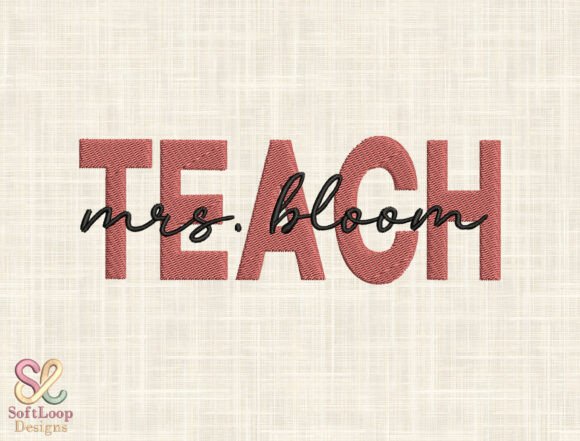
Personalized TEACH Embroidery Design Review
As a professional embroidery digitizer and product reviewer, I approach every new machine embroidery design with a critical eye. It is not enough for a file to simply look good on a computer screen; it must perform under the needle and result in a high-quality finished product that customers or gift recipients will cherish. When evaluating the Personalized TEACH Embroidery Design, my primary focus was on its structural integrity, stitch definition, and versatility for real-world Back To School projects and educator appreciation gifts. This review breaks down how this design translates from a digital concept to tangible Embroidery, specifically for makers and business owners who need reliability.
First Impressions: Texture and Typography Balance
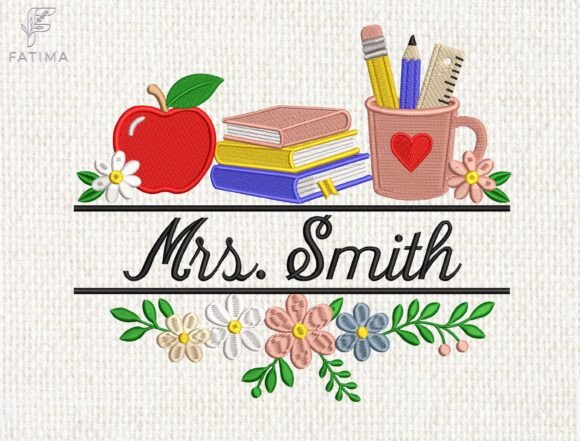
My initial assessment of the Personalized TEACH Embroidery Design centers on its visual weight. The description highlights "bold, textured blo" lettering, which immediately signals a specific aesthetic. In embroidery project planning, bold typography is excellent for readability at a distance, but texture can be a double-edged sword. Upon inspecting the design assets, the lettering appears to utilize a combination of fill stitch and potentially decorative elements to create that sophisticated, modern feel. This is a significant upgrade over standard flat satin columns, as it adds perceived value to the final item.
The layout feels balanced for center-chest placement on apparel or centered alignment on tote bags. For an Etsy seller or small shop product creator, this balance is crucial. You do not want a design that looks top-heavy or lopsided once hooped. The personalization aspect suggests open space or designated areas for custom names, which requires careful attention to spacing. A well-digitized personalized area should allow for variable name lengths without disrupting the overall harmony of the TEACH motif. This design seems to understand that constraint, offering a clean canvas for customization that maintains professional standards.
Real-World Application: Stitching Out a Teacher Tote
To truly judge this digital embroidery file, I mentally simulated a common use case: creating a custom canvas tote bag for a teacher. Canvas is a sturdy fabric, but it has a distinct weave that can swallow fine details. The bold nature of the Personalized TEACH Embroidery Design is actually a strategic advantage here. Thinner, more delicate scripts often get lost in the texture of natural fibers, but these substantial letters should sit proudly on top of the fabric grain.
During this simulation, I considered the stitch density. For a tote bag that will carry books and supplies, durability is non-negotiable. If the fill stitches are too sparse, the fabric shows through, making the item look cheap. If they are too dense, the canvas becomes stiff and board-like. This design appears to hit a practical middle ground suitable for heavy-use items. Furthermore, if you are producing custom apparel like sweatshirts for school staff, the textured block style provides excellent coverage on fleece materials where running stitches might disappear. The visual personality of the design communicates professionalism and warmth simultaneously, which is exactly what clients want when purchasing personalized gift items for educators.
Navigating Fabric Limitations and Hoop Constraints
While the Personalized TEACH Embroidery Design shines on stable fabrics, experienced makers must exercise caution with certain substrates. Because the design features bold, textured elements, it likely carries a higher stitch count than a simple outline font. This makes it less ideal for lightweight knits, sheer fabrics, or baby onesies unless significant modifications are made. Putting a dense, textured design on thin jersey knit can cause puckering, distortion, or even fabric tears during washing.
I would also advise checking your hoop size before committing to this design for smaller items. Bold lettering takes up physical space. If you are attempting to fit this onto a pocket-sized area or a child’s sleeve, verify the dimensions first. Resizing a textured design down by more than 10-15% can ruin the stitch registration, causing gaps or overlaps that compromise the professional finish. For baby embroidery or delicate garments, consider testing a lighter version or saving this specific file for adult-sized sweatshirt embroidery, aprons, and pillow covers where the fabric can support the structure.
Additionally, be mindful of curved surfaces. While this design works beautifully flat, placing bold block text on a structured cap can be challenging. The curvature of a hat front may distort the straight lines of the "TEACH" lettering. Always run a test stitch-out on a similar curved surface if you plan to offer caps in your craft business lineup.
Commercial Viability and Customer Perception
For those selling handmade product lines, the Personalized TEACH Embroidery Design offers strong commercial potential. The "modern and stylish" descriptor aligns perfectly with current market trends moving away from cutesy, cartoonish teacher designs toward minimalist, boutique aesthetics. This elevates the perceived value of your merchandise. When a customer sees crisp, textured stitching rather than loose, gappy fills, their trust in your brand increases. This directly impacts buyer engagement and repeat sales.
However, professionalism extends beyond the stitch-out. Before listing any commercial embroidery products using this file, you must confirm the licensing terms. Ensure you have the right to sell finished goods versus just the digital file itself. Also, consider your printable mockup strategy. Because this design relies on texture, flat digital mockups may not do it justice. I recommend stitching out a sample in three distinct thread colors—perhaps a classic navy, a warm terracotta, and a neutral cream—and photographing them in natural light. Real photos convert better than digital renders for textured designs because buyers want to see how the light hits the stitches.
Essential Technical Notes for Makers
To ensure success with the Personalized TEACH Embroidery Design, adhere to these practical guidelines derived from professional experience:
- Stabilizer Selection is Key: Given the bold, textured nature of the lettering, use a high-quality cut-away stabilizer for stretchy fabrics and a medium-weight tear-away for stable wovens like canvas or denim. Do not skimp on stabilization, as heavy designs require solid backing to prevent shifting.
- Thread Color Contrast: Textured fills rely on shadow and highlight to show depth. Avoid using variegated threads with complex color changes, as this can obscure the texture pattern. Solid, matte, or sheen polyester threads usually render this style best.
- Test Before Selling: Never assume a digital embroidery file is perfect out of the box. Always stitch a test on scrap fabric identical to your final product. Check for registration issues between the personalization text and the main TEACH graphic.
- Review Small Details: Inspect the corners of the block letters. Sharp corners should be crisp, not rounded or frayed. If the digitizing is soft, adjust your tension or trim manually after stitching.
- Washability Check: If creating tea towels or aprons, wash and dry your test swatch. Textured fills can sometimes shrink differently than the base fabric. Pre-shrinking your blanks is mandatory for holiday embroidery gifts intended for kitchen use.
- Mockup Accuracy: When creating listings, clearly state the size of the design. Bold designs can appear larger in person than on screen. Managing customer expectations regarding scale prevents returns.
The Personalized TEACH Embroidery Design represents a solid choice for makers focusing on quality educator-themed goods. Its strength lies in its bold, textured construction that reads well on functional items. By respecting fabric limitations, verifying technical specs, and presenting the texture accurately in your marketing, this design can become a reliable staple in your design assets library. Whether you are crafting a single heartfelt gift or stocking a boutique for the upcoming school year, approaching this file with technical mindfulness ensures the final result honors the educators it celebrates.