Pencil Machine Embroidery Design Review
As an embroidery designer who has spent years digitizing and testing patterns for commercial production, I approach every new machine embroidery design with a critical eye. When preparing inventory for the upcoming back-to-school season or teacher appreciation gifts, functionality must meet aesthetic charm. I recently tested the Pencil Machine Embroidery Design to determine its viability for my personalized gift shop. This review reflects my hands-on experience stitching this design onto various substrates to ensure it meets the high standards required for professional custom embroidery work.
First Impressions and Emotional Appeal
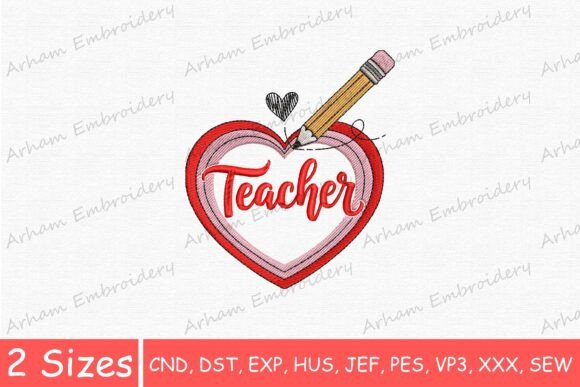
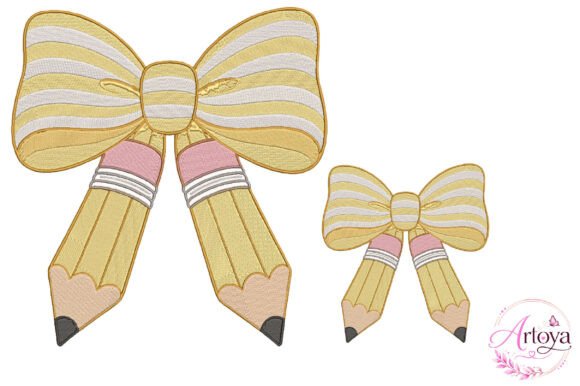
Upon loading the embroidery file into my software, the first thing that struck me was the design’s inherent warmth. While pencils are utilitarian objects associated with Work and education, this specific rendering leans heavily into nostalgia and playfulness. It does not feel sterile or overly corporate; rather, it possesses a sweet, handmade quality that resonates with parents, teachers, and students alike. The mood is undeniably cheerful yet classic, avoiding trendy aesthetics that might date the finished product within a year.
For an Etsy seller or small business owner, this emotional connection is vital. Customers are not just buying thread on fabric; they are purchasing a memory of school days or a token of encouragement. The Pencil Machine Embroidery Design succeeds because it balances detail with simplicity. It feels elegant enough for a keepsake but playful enough for a child’s backpack. This versatility makes it an excellent candidate for both retail craft fair products and high-end personalized commissions.
Real-World Application: From Nursery to Classroom
In my test run, I envisioned a customer requesting a meaningful gift for a kindergarten teacher or a "first day of school" keepsake. I stitched the Pencil Machine Embroidery Design onto a cotton canvas tote bag and a terry cloth hand towel. The results confirmed its broad utility across different categories of Embroidery.
- Back-to-School Totes: On canvas, the design sat flat and crisp. The pencil motif served as a perfect anchor for adding a student's name below, creating a cohesive personalized gift.
- Teacher Appreciation Towels: I tested this as an embroidered towel gift. The design’s scale worked beautifully in the bottom corner, leaving ample negative space for monogramming without overwhelming the fabric texture.
- Nursery and Baby Items: Surprisingly, this design translates well to baby embroidery. When stitched in soft pastel thread colors on a receiving blanket, the pencil took on a whimsical nursery aesthetic, perfect for celebrating a parent who is also an educator.
- Wedding Gifts for Educators: For couples where teaching is a shared passion, this design works as a subtle nod to their profession on a pillow cover or apron, functioning as a unique wedding gift that honors their career.
The adaptability of this digital embroidery file allows it to cross over from strictly academic themes into general family keepsakes and home decor, significantly expanding its market potential for sellers.
Technical Considerations and Fabric Limitations
While the Pencil Machine Embroidery Design is charming, experienced makers know that digital perfection does not always translate to physical reality without proper planning. During my testing, I identified specific scenarios where caution is necessary to maintain a professional finish.
Navigating Texture and Stability
The design features clean lines that demand stability. When working with thick terry cloth for towels, you must use a heavy-duty water-soluble topper and a firm cut-away stabilizer. Without these, the pencil’s finer details can sink into the pile, resulting in a muddy appearance. Similarly, if applying this to stretchy baby clothes or knit fabrics, the stitch density must be evaluated. If the design is too dense, it will cause puckering on lightweight knits. Always test on scrap fabric that matches your final project’s weight and weave before committing to a customer order.
Size and Detail Integrity
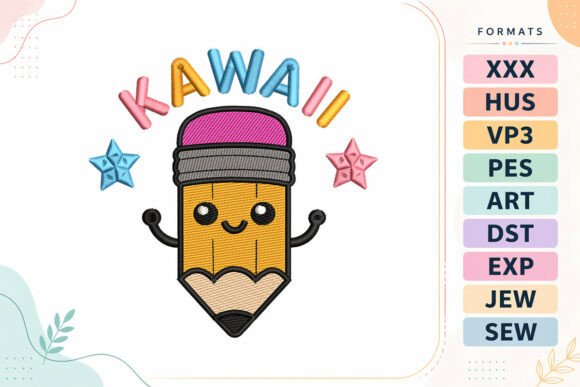
One critical warning involves resizing. While the Pencil Machine Embroidery Design comes in multiple formats, drastically reducing the size can compromise small lettering or intricate shading stitches. If you intend to use this as a pocket logo on a polo shirt or a tiny accent on a baby bib, verify that the smallest details remain distinct after scaling. Conversely, enlarging the design for a large blanket embroidery project may require adjusting pull compensation to prevent gaps. Always confirm your hoop size capabilities before purchasing, as dimensions vary between machines.
Color Contrast and Visibility
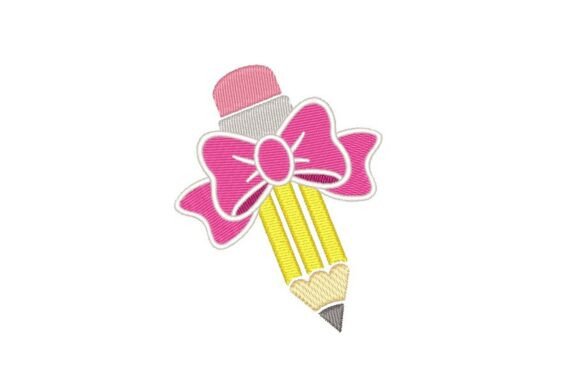
This design relies on color blocking to define the pencil shape. On dark fabrics, ensure you have a light underlay or outline stitch to prevent the background fabric from showing through lighter thread areas. I recommend creating both light and dark fabric mockups for your listings. A printable mockup or digital preview helps customers visualize the contrast, reducing returns and increasing buyer confidence. Remember that screen colors often differ from physical rayon or polyester threads, so providing a physical color chart reference in your product description is best practice.
Commercial Viability and Perceived Value
For those running a commercial embroidery business or selling handmade product items online, perceived value drives pricing. The Pencil Machine Embroidery Design elevates simple blanks into premium goods because of its clean execution and universal appeal. However, trust is built through consistency. Before listing any finished product, you must verify the licensing terms included with the download. Ensure you have the right to sell physical items embroidered with this design, especially if you operate a high-volume shop.
Photography plays a massive role in converting views to sales. Because this design evokes a specific mood, style your photos accordingly. Pair the embroidered item with actual school supplies, vintage books, or autumn foliage to reinforce the back-to-school narrative. High-quality images that show the texture of the stitches reassure buyers of the handmade quality and justify higher price points compared to mass-produced alternatives.
Practical Checklist for Makers
To ensure success with the Pencil Machine Embroidery Design in your own studio, follow this practical workflow derived from my testing process:
- Verify File Compatibility: Although the description states it includes multiple formats, always check that your specific machine format is included before purchasing.
- Stitch Out Test: Never skip the test stitch on similar fabric. Check for registration issues between color changes.
- Review Stitch Density: Ensure the density matches your fabric type. Adjust in software if stitching on sheer or heavyweight materials.
- Check Licensing: Confirm small shop product rights and attribution requirements for the designer.
- Create Mockups: Use realistic templates to show customers how the design looks on different colored backgrounds.
- Plan Colorways: Pre-select thread palettes that match current seasonal trends to streamline production.
Ultimately, the Pencil Machine Embroidery Design is a robust asset for any embroiderer focusing on educational, nostalgic, or family-oriented markets. Its blend of technical reliability and emotional resonance makes it a standout choice for creating products that customers will cherish long after the school bell rings. By respecting the technical nuances of fabric and stabilizer, you can transform this digital file into a tangible, high-value product that strengthens your brand’s reputation for quality and care.