Cute Student Bag Embroidery Design Review
As a professional embroidery digitizer and product reviewer, I approach every new machine embroidery design with a critical eye toward production viability. When evaluating the Cute Student Bag Embroidery Design, my primary focus is not just on the screen preview, but on how this digital asset translates into a tangible handmade product. For Etsy sellers, craft business owners, and hobbyists navigating the busy Back To School season, a design must be more than adorable; it must be structurally sound, versatile across different substrates, and capable of delivering consistent results in a commercial or gifting environment.
Visual Personality and First Impressions
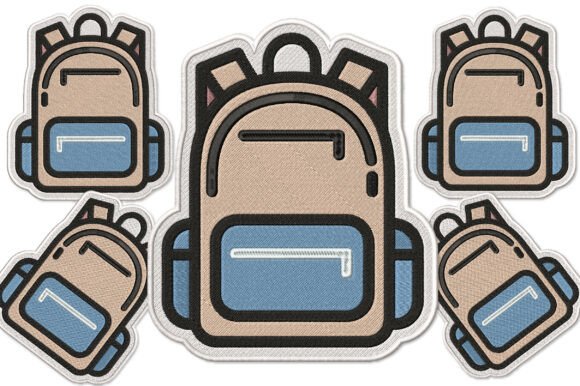
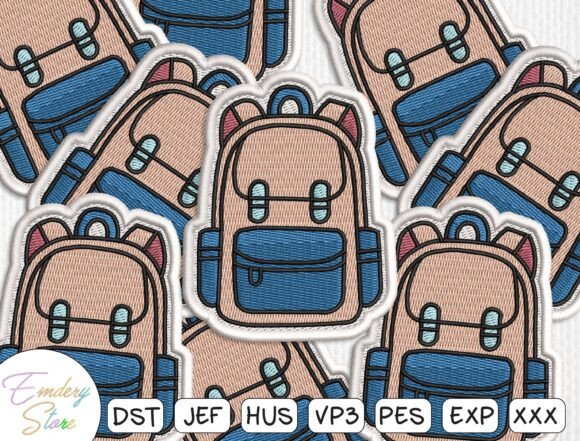
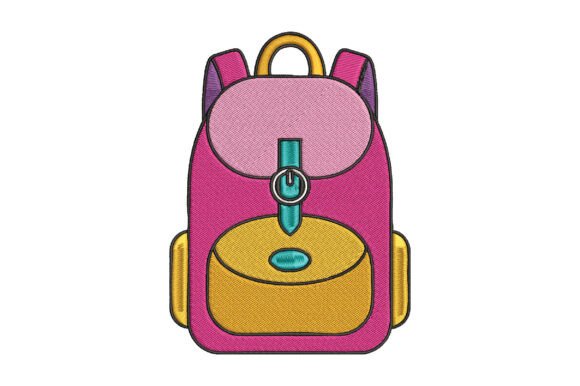
Upon loading the embroidery file into my editing software, the first thing that stands out is the balanced composition. The backpack motif avoids the common pitfall of looking too flat or overly cartoonish. Instead, it possesses a playful dimensionality through strategic use of shading and outline definition. The mood is undeniably cheerful and nostalgic, making it an instant candidate for personalized gifts and children’s merchandise. However, as a designer, I am looking past the aesthetics to the architecture. The shape suggests a mix of fill stitch areas for the main body and likely satin stitch elements for straps or pockets. This combination is crucial because it creates visual texture without overwhelming the fabric. For a tote bag design or sweatshirt embroidery, this level of detail needs to read clearly from a distance while holding up to close inspection by parents and teachers.
Real-World Application: Stitching a Custom Tote
To truly evaluate this design, I mentally simulate a real production scenario: creating a custom canvas tote bag for a local school fundraiser. This is a high-stakes project where consistency matters. Canvas is a forgiving fabric, but it has a distinct fabric texture that can swallow fine details. In this context, the Cute Student Bag Embroidery Design performs exceptionally well because its bold shapes are optimized for medium-weight materials. The colorful backpack serves as a vibrant centerpiece that doesn't require excessive density, which helps prevent the canvas from puckering or becoming too stiff.
For small shop product lines, this versatility is key. I can envision this same design scaled down for a baby embroidery project on a bib or onesie, provided the stitch count allows for resizing without distorting the proportions. Conversely, scaling it up for an apron or pillow cover maintains integrity because the underlying digitizing appears robust. When preparing listings for an online store, using a printable mockup of this design on various items helps customers visualize the final result, bridging the gap between a digital embroidery file and a physical keepsake.
Navigating Fabric Challenges and Technical Limits
While the design shines on stable fabrics, experienced makers know that not all projects are straightforward. If you plan to use this for custom apparel like stretchy knit t-shirts or lightweight performance wear, caution is required. The stitch density of a detailed backpack can cause tunneling on thin fabrics if the proper stabilizer isn't used. I always recommend testing on scrap material that matches your final project's weight and stretch. For dark fabrics, ensure the thread colors specified in the chart provide enough contrast against the background; otherwise, those bright playful details might get lost visually.
Curved surfaces present another challenge. If you intend to adapt this as an embroidered patch for a cap or hat, verify that the design fits within your specific hoop size limitations and that the vertical height doesn't exceed the curve of the brim area. Caps often require designs with fewer underlay stitches to avoid pushing the fabric out of alignment. Additionally, if you are considering this for items requiring frequent washing, such as kitchen towels or baby blankets, check that any decorative accents or tiny lettering are secured with adequate lock stitches to prevent unraveling over time.
Designer Notes for Professional Results
- Test Before Selling: Never assume a digital embroidery file is perfect straight out of the box. Always run a test stitch-out on scrap fabric to check registration, tension, and overall feel before committing to a sellable finished product.
- Verify Licensing: Before listing any item made with this design on Etsy or at craft fairs, confirm the license terms. Ensure you have the right to sell physical goods versus digital assets, as this protects your business legally.
- Color Management: While the design comes with suggested thread colors, consider creating seasonal variations. Swapping bright primaries for muted autumn tones can extend the design's relevance beyond the immediate Back To School rush.
- Stabilizer Selection: Match your backing to the fabric. Use cut-away stabilizer for knits and sweatshirts to support the stitch density long-term, and tear-away for woven cottons like tote bags and tea towels.
- Mockup Accuracy: When creating marketing materials, use realistic shadows and fabric textures in your printable mockup. Customers trust sellers who show accurate representations of how the embroidery sits on the actual garment or accessory.
Impact on Brand Value and Customer Trust
In the competitive world of commercial embroidery and handmade marketplaces, the quality of your digitizing directly influences perceived value. A poorly executed design leads to returns and negative reviews, while a professionally stitched piece builds brand loyalty. The Cute Student Bag Embroidery Design offers a strong foundation for building that trust. Its clean lines and thoughtful color blocking signal professionalism to buyers browsing for holiday embroidery gifts or school spirit gear.
For creative entrepreneurs, this design acts as a reliable asset in your library. It bridges the gap between niche school themes and general children's apparel, allowing for broader inventory planning. Whether you are producing personalized backpacks, teacher appreciation gifts, or boutique clothing lines, the design’s adaptability ensures it earns its place in your collection. By treating this embroidery project with technical respect—testing, stabilizing correctly, and choosing appropriate applications—you transform a simple digital file into a profitable, high-quality product that delights customers and showcases your craftsmanship.