Cute Caterpillar Reading Book: Merch Review
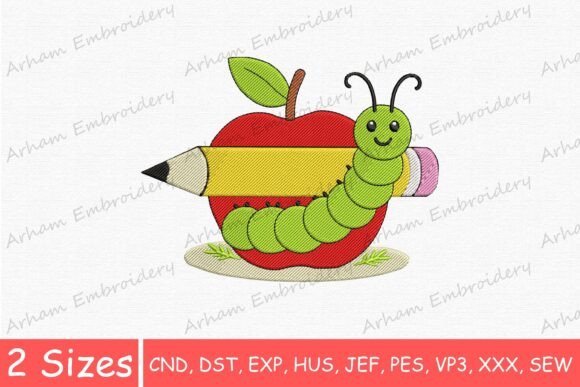
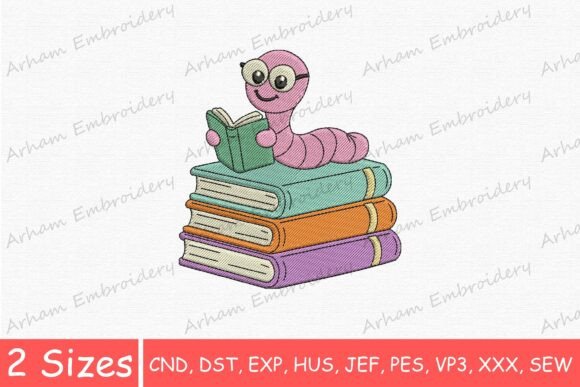
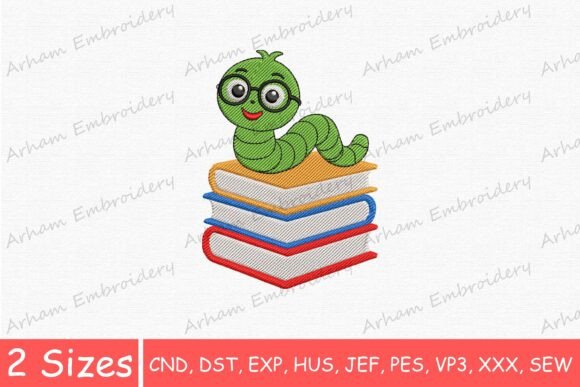
As a professional embroidery designer evaluating assets for commercial production, my first impression of the Cute Caterpillar Reading Book machine embroidery design is that it strikes a delicate balance between whimsy and professional clarity. While categorized under Nursery, this design possesses a visual warmth that translates exceptionally well into small business merch for specific niches. It does not feel overly juvenile; rather, it projects a friendly, approachable, and educational aesthetic. For a business owner, this distinction is vital. You are not just buying a cute picture; you are acquiring a digital embroidery file that communicates trust, care, and attention to detail. The composition suggests a centered focal point, which is ideal for branding applications where visual hierarchy matters.
Evaluating Commercial Viability for Small Business Merch
When reviewing this design for real-world application, I look beyond the screen and imagine the finished product on tangible goods. The Cute Caterpillar Reading Book shows significant promise for businesses in the education, childcare, literary, and artisan sectors. Its charm makes it a strong candidate for an embroidered patch that can be applied to various items without requiring direct embroidery on difficult fabrics. For a local bookstore or a children’s tutoring center, this design serves as an excellent chest logo accent on staff polo shirts. It softens the corporate uniform look while maintaining brand identity.
For handmade brands and Etsy sellers focusing on baby products or educational toys, this design adds immense value to custom apparel and accessories. I can envision this working beautifully as a tote bag design for a library fundraiser or a boutique selling sustainable children's goods. The narrative element of the caterpillar reading aligns perfectly with brands that want to emphasize learning, growth, and organic development. Furthermore, for a bakery or café with a dedicated kids' corner or storytime event, apron embroidery featuring this motif creates a cohesive, welcoming atmosphere that parents appreciate. It transforms standard workwear into a conversation starter and a branding asset.
Technical Considerations for Patches and Caps
However, a charming concept must survive the digitization reality. When adapting the Cute Caterpillar Reading Book for cap embroidery or small patches, caution is required. Caps present a curved surface that distorts flat designs. If the original embroidery file has not been specifically digitized for headwear, the book or the caterpillar’s facial features may warp during stitching. Always verify if the vendor provides a cap-specific version or if you have the software expertise to compensate for the curve.
Regarding embroidered patches, size is the limiting factor. This design likely contains intricate details typical of nursery themes. If you scale it down below three inches to fit a sleeve or a small label, stitch density becomes a critical concern. High stitch density in a small area leads to puckering, thread breaks, and a stiff, bulletproof patch that lacks drape. Before committing to bulk production, you must test the design at your intended minimum size. If the text within the book or the caterpillar's expression becomes muddy, the design is too complex for that specific application. In such cases, this design should remain reserved for larger formats like back-of-jacket prints or full-sized tote bags where the stitch count can breathe.
Impact on Brand Identity and Customer Trust
In the realm of commercial embroidery, technical execution directly influences perceived value. A poorly stitched design signals low-quality merchandise, regardless of how adorable the source art is. When the Cute Caterpillar Reading Book is executed correctly, it enhances brand identity by associating your business with positivity and intellect. For a florist or pet brand targeting families, this imagery bridges the gap between playful and professional. It tells the customer that your business understands their lifestyle and values.
Visual consistency is another key factor. If you use this design alongside other brand assets, ensure the thread colors match your existing palette. A nursery design often uses pastels, but if your brand uses bold primaries, you may need to recolor the digital embroidery file to maintain recognition. Consistency builds trust. When customers see this caterpillar on a staff apron, a giveaway item, and your packaging, it reinforces a unified brand experience. This level of cohesion separates serious handmade businesses from hobbyists. The design acts as a visual anchor, making your custom apparel and merchandise instantly recognizable.
Essential Designer Notes for Production Success
To ensure the Cute Caterpillar Reading Book performs flawlessly in a production environment, follow these practical steps before running live orders:
- Test in Black and White: Before selecting thread colors, run a grayscale test stitch-out. This reveals if the shading and definition rely solely on color contrast or if the underlying stitch structure provides adequate depth. If the design looks flat in grayscale, it may lack the necessary texture for premium merchandise.
- Verify Stabilizer and Fabric Texture: Nursery designs often assume smooth cotton. If you are applying this to textured canvas tote bags or ribbed knit caps, you must adjust your stabilizer strategy. Use a heavier cutaway for stretchy fabrics to prevent registration shifts between the caterpillar and the book elements.
- Check Hoop Size Compatibility: Never assume the design fits your machine’s maximum field. Confirm the exact dimensions of the embroidery file against your hoop size. Trying to squeeze a design into a hoop that is barely large enough causes tension issues and distorted edges.
- Create a Printable Mockup: Before stitching, place the design digitally onto photos of your actual merchandise. A printable mockup helps visualize placement and scale relative to seams, pockets, and zippers. This step saves costly materials and ensures client approval before production begins.
- Confirm Commercial Licensing: This is non-negotiable for small business owners. Verify that the purchase includes rights for commercial embroidery and selling finished products. Some licenses restrict usage to personal projects only. Protect your business by ensuring your design assets are legally cleared for resale and branding.
- Inspect Spacing and Jump Stitches: Review the file in your editing software. Excessive jump stitches increase production time and require more manual trimming. If the pathing is inefficient, optimize it to reduce runtime and improve the clean appearance of the backside, especially important for unlined tote bags and aprons.
Final Verdict for Embroidery Professionals
The Cute Caterpillar Reading Book is a versatile asset for the right business niche. It excels in environments where warmth, education, and family-friendly vibes are paramount. As an embroidery designer, I rate it highly for its potential to elevate custom apparel and branded gifts beyond generic clip art. However, its success depends entirely on respecting the technical limitations of stitch density and fabric compatibility. By treating this design as a professional branding tool rather than just a decorative element, and by rigorously testing it for your specific merchandise line, you can create high-value products that resonate deeply with your target audience. Always prioritize quality control and licensing compliance to ensure your embroidered merchandise reflects the professionalism of your brand.