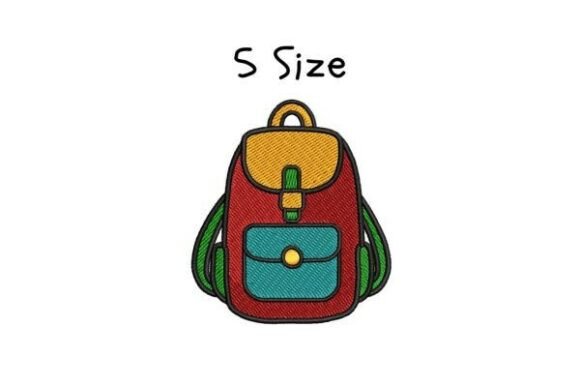
Backpack Embroidery Design: A Business Review
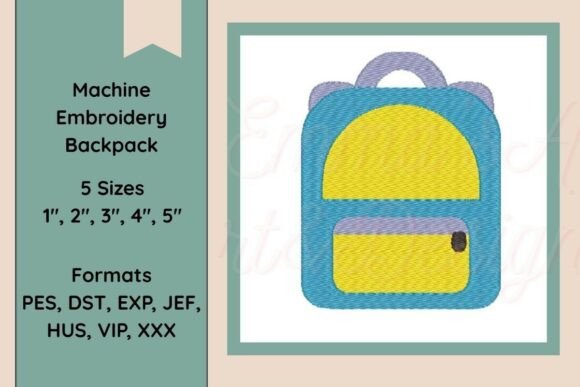
As a professional embroidery designer specializing in commercial merchandise and branded assets, I approach every new machine embroidery design with a critical eye toward production viability. When evaluating the Backpack Embroidery Design for small business applications, my primary focus shifts beyond simple aesthetics to functional durability and brand representation. While the title suggests a specific niche within the Back To School category, experienced decorators know that versatile designs often transcend their original intent. This review analyzes how this digital asset performs when adapted for staff uniforms, retail merchandise, and custom patches, ensuring your investment yields professional results across various substrates.
Visual Personality and Brand Alignment
The first impression of the Backpack Embroidery Design dictates its suitability for different business verticals. Based on the structural requirements of backpack embroidery, this design likely features bold lines and optimized fill areas intended to withstand heavy wear. For a creative studio, bakery, or florist, this visual weight translates to a friendly yet durable aesthetic. It avoids the delicate fragility of lace-style patterns, making it an excellent candidate for businesses requiring rugged branding. The design feels modern and utilitarian, striking a balance between playful and professional. This versatility allows handmade brands and Etsy sellers to use it as a recognizable mark without it appearing overly juvenile, provided thread colors are selected to match the brand identity rather than default school colors.
Performance in Commercial Merchandise Applications
In real-world commercial embroidery scenarios, the Backpack Embroidery Design demonstrates significant adaptability. Its inclusion of five sizes is a crucial feature for merch creators who need visual consistency across disparate products. Here is how this design performs in specific business contexts:
- Embroidered Patches: The design’s structure lends itself well to patch creation. Because backpack designs must endure friction, the stitch paths are typically robust enough to hold a merrowed edge or satin border without distorting. This makes it ideal for staff jackets or customer loyalty gifts.
- Tote Bag Design: Canvas tote bags are staples for boutiques and markets. This design stitches out flatly on heavy canvas, providing a high-perceived value compared to screen printing. The multiple size options allow you to scale the artwork appropriately for large shoppers versus small drawstring bags.
- Apron Embroidery: For cafes and pet grooming salons, aprons face frequent laundering. The density inherent in backpack-style graphics ensures the logo remains opaque and vibrant even after industrial washing cycles.
- Cap Embroidery: While originally intended for flat surfaces, the bolder elements of this design can translate to structured caps. However, this requires careful evaluation of the center point and vertical height to prevent distortion on curved brims.
Critical Production Considerations and Limitations
No digital embroidery file is universally perfect, and understanding where to exercise caution is what separates hobbyists from professionals. When using the Backpack Embroidery Design for business merchandise, pay close attention to these technical constraints:
- Small Patch Sizes: While five sizes are included, always verify the smallest version against your intended patch dimensions. Intricate details present in larger backpack formats may become muddy or cause thread breaks when scaled down below 2 inches. Test the minimum viable size before bulk production.
- Fabric Texture Compatibility: The product description emphasizes stabilization for a flat finish. This is non-negotiable for textured fabrics like pique polos or ribbed knits. Without adequate stabilizer, the design may sink into the weave, reducing visibility and professionalism.
- Stitch Density Management: Backpack designs often utilize higher stitch counts for durability. On lightweight performance shirts or delicate linens, this density can cause puckering or fabric damage. Reserve this design for medium-to-heavyweight garments or use a lighter stabilizer backing to compensate.
- Curved Surface Adaptation: If applying this to caps or sleeves, do not assume the flat-file geometry will wrap correctly. You may need to manually adjust compensation settings in your editing software to account for the push-pull effect on curved surfaces.
Impact on Brand Identity and Customer Trust
The quality of your embroidery directly influences customer perception of your business. A poorly executed logo suggests negligence, while a crisp, well-stabilized application signals attention to detail. The Backpack Embroidery Design supports strong brand identity through its clean execution and scalability. When customers receive a tote bag or see staff wearing consistent, high-quality custom apparel, it reinforces trust and recognition. For Etsy sellers and handmade product vendors, using a professionally digitized design elevates the perceived value of the finished goods. It transforms a simple fabric item into branded merchandise that commands higher price points and fosters buyer engagement. Consistency across touchpoints—from packaging accents to employee uniforms—creates a cohesive visual language that strengthens market positioning.
Professional Designer Notes for Implementation
Before running production batches, adhere to these best practices to ensure the Backpack Embroidery Design meets commercial standards:
- Conduct Black and White Tests: Always run a test sew-out in black and white thread first. This removes color bias and reveals true stitch definition, spacing issues, or registration errors that colored threads might hide.
- Verify Hoop Size Requirements: Confirm which hoop size each of the five variations requires. Efficient production planning depends on minimizing hoop changes and maximizing fabric real estate.
- Select Appropriate Stabilizer: Follow the manufacturer's stabilization advice strictly. For stretchy knits, use cut-away stabilizer; for woven cottons, tear-away may suffice. The goal is always a beautiful, flat finish as described in the product specifications.
- Create Printable Mockups: Before stitching physical samples for client approval, generate digital mockups showing the design at actual scale on the intended garment. This manages expectations regarding size and placement.
- Check Thread Color Contrast: Ensure sufficient contrast between thread and fabric. A dark navy design on a black backpack may look premium in photos but disappear in low-light retail environments.
- Confirm Commercial Licensing: As this is an instant download, verify the license terms explicitly permit commercial embroidery on merchandise for sale. Protect your business by ensuring full compliance before listing products.
- Compare Against Existing Assets: Place this design beside your current logo or other brand elements. Ensure the stitch style, density, and visual weight create harmony rather than discord in your overall product lineup.
The Backpack Embroidery Design offers substantial utility for small business owners seeking durable, scalable branding solutions. By respecting its technical parameters and leveraging its versatile sizing, decorators can produce merchandise that withstands both wear and scrutiny. Remember that successful commercial embroidery lies not just in the file itself, but in the thoughtful application of proper stabilization, testing protocols, and brand-aligned color choices. Whether creating back-to-school collections or year-round staff uniforms, this design serves as a reliable foundation for professional embroidered products when executed with industry-standard care.