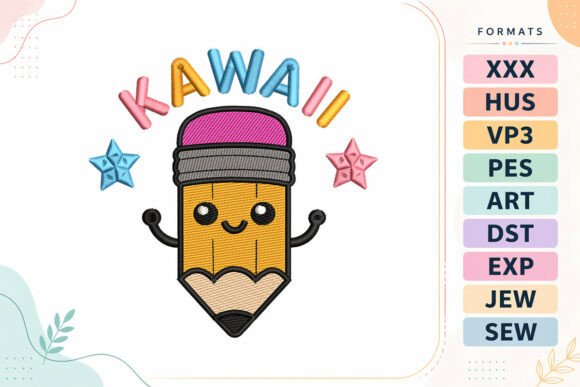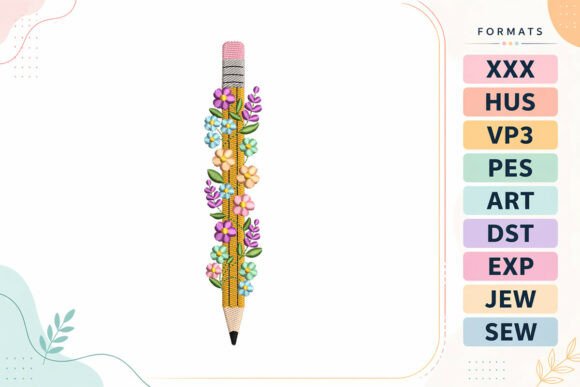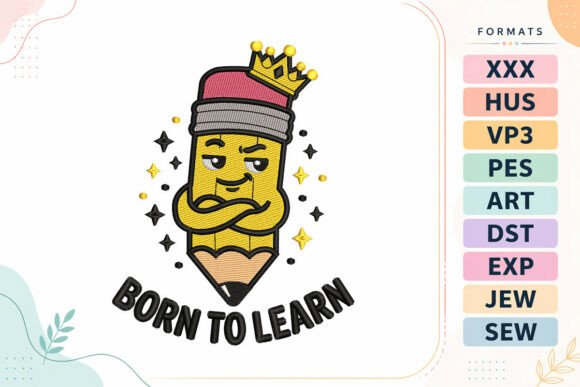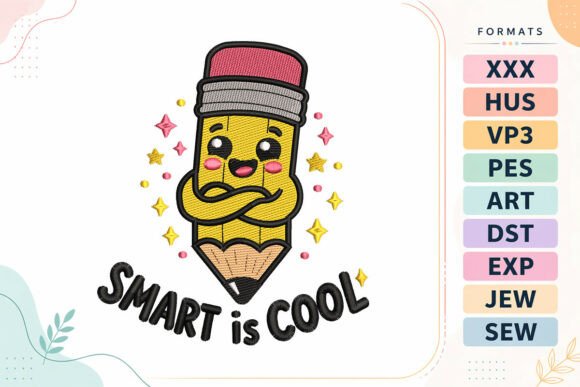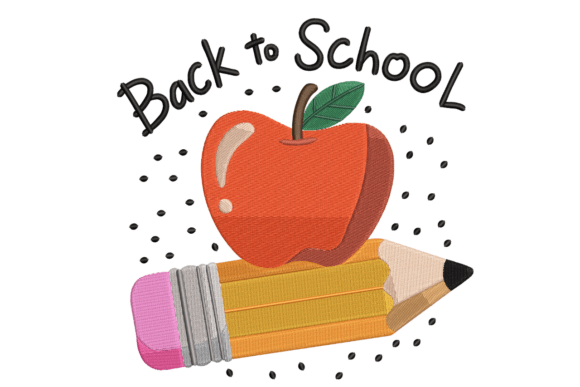
Back to School Apple Pencil: A Stitch Test
First Impressions and Design Personality
When evaluating a new machine embroidery design for the upcoming academic season, my primary concern is always versatility. The Back to School Apple Pencil design immediately stands out because it balances nostalgic charm with modern relevance. Unlike generic apple clipart that can feel dated or overly juvenile, this specific motif incorporates the pencil element in a way that appeals to a broader demographic. It feels appropriate for a kindergarten teacher’s tote bag just as much as it does for a college student’s denim jacket or a homeschool parent’s apron.
Visually, the layout suggests a clean silhouette that should digitize well. As a designer, I look for shapes that translate effectively into thread rather than just pixels. The combination of the apple and pencil offers excellent opportunities for color blocking and texture variation. It creates a mood that is organized, cheerful, and academically focused without being stiff. For Etsy sellers and craft business owners, this aesthetic is crucial; it needs to photograph well in a printable mockup and look even better in person. The design possesses enough visual weight to serve as a standalone centerpiece on smaller items, yet it remains simple enough to be grouped with names or monograms on larger garments.
Real-World Application: The Teacher Tote Test
To truly judge the viability of this embroidery file, I mentally placed it in a real production scenario: creating custom canvas tote bags for a local school district’s staff appreciation event. This is a common request for small shop products and requires a design that stitches out cleanly on textured canvas while maintaining legibility and appeal from a distance.
In this context, the Back to School Apple Pencil design performs admirably. The vertical orientation of the pencil paired with the roundness of the apple fits naturally within the rectangular constraints of a tote bag pocket or center panel. When stitching on canvas, the fabric texture can sometimes swallow fine details, but this design appears to have sufficient open space and bold lines to prevent that issue. I envision using a variegated red thread for the apple body to add depth without increasing stitch density, keeping the bag lightweight and flexible. The pencil element allows for a contrasting neutral tone, perhaps a slate grey or classic yellow, which pops beautifully against natural canvas.
For commercial embroidery projects like this, speed and consistency are key. A design with excessive jumps or unnecessary trims slows down production. Judging by the visual flow of the Back to School Apple Pencil, the digitizing seems optimized for efficient stitching paths. This efficiency matters when you are fulfilling an order of twenty bags for a client deadline. Furthermore, the finished product has a high perceived value; it looks like a boutique item rather than a cheap promotional giveaway, which helps justify a higher price point for handmade products.
Fabric Compatibility and Technical Considerations
While the design is versatile, no digital embroidery file works perfectly on every surface. Understanding where to use caution is what separates professional results from amateur attempts. Based on the composition of the Back to School Apple Pencil, here is how I would approach different substrates:
- Sweatshirt Embroidery: Fleece and french terry are popular for back-to-school apparel, but they are unstable. You must use a robust stabilizer, likely a cut-away mesh, to prevent the design from distorting after washing. If the design includes any tiny text elements alongside the graphic, verify they remain legible on fuzzy fabrics.
- Baby Embroidery: If adapting this for onesies or bibs, check the physical size. Apples and pencils can be dense. For infant wear, I recommend reducing the size only if the digitizer has provided a specific small-format version. Resizing a complex design down manually can cause satin stitch columns to become too narrow or fill stitch areas to become too dense, resulting in a bulletproof patch that irritates sensitive skin.
- Kitchen Towels and Aprons: These are high-wash items. Ensure your top and bobbin tension is balanced before running the Back to School Apple Pencil design. Loose tension on towels leads to snagging. Using a water-soluble topping is essential here to keep the stitches sitting on top of the terry loops rather than sinking in.
- Caps and Curved Surfaces: Be cautious. Unless this design was specifically digitized for caps (with a center-out stitch sequence), placing a tall vertical design like a pencil on a curved cap brim or crown can lead to registration errors. Test on a scrap cap first.
Always confirm the hoop size requirements before purchasing or stitching. Nothing halts a production run faster than realizing a design requires a 5x7 hoop when you only have a 4x4 machine set up. Additionally, review the thread colors list. If the design calls for six different shades of green for shading, consider whether simplifying the palette would better suit your brand aesthetic or reduce thread changes during bulk production.
Elevating Product Value and Brand Consistency
For creative entrepreneurs, the Back to School Apple Pencil is more than just a seasonal graphic; it is a tool for building brand recognition. Consistency in design style helps customers identify your work instantly. If your shop specializes in clean, minimalist aesthetics, this design aligns well because it avoids cluttered shading or cartoonish exaggeration. It reads as professional and intentional.
When listing this as a personalized gift or ready-to-ship item, presentation is everything. Because the design has distinct linear and circular elements, it frames text beautifully. Consider offering personalization options where the customer’s name arcs over the apple or runs vertically beside the pencil. This transforms a standard tote bag design into a bespoke keepsake. For digital product sellers offering this as part of a bundle, ensure your listing photos show the design stitched out on multiple fabric types. Buyers need to see how the applique design (if applicable) or satin borders interact with different backgrounds. A photo of the design on dark navy fabric versus white cotton builds buyer confidence and reduces pre-sale questions.
Trust is built through quality. If you are selling finished products, inspect every stitch. A missed trim or a puckered outline on a prominent design like this will result in negative reviews. Conversely, a crisp, well-stabilized execution signals to the buyer that you care about craftsmanship. This attention to detail encourages repeat business and word-of-mouth referrals, which are the lifeblood of any craft business.
Essential Pre-Stitch Checklist for Makers
Before you commit the Back to School Apple Pencil to a final project or list it in your shop, run through this practical verification process. These steps save time, materials, and reputation.
- Verify Licensing: Confirm whether your purchase includes commercial rights for selling finished goods or if it is strictly for personal use. Never assume; always read the license terms included with the embroidery project files.
- Test Stitch on Scrap: Never stitch a new design directly onto a sellable garment. Use a scrap of the exact fabric and stabilizer combination you plan to use. Check for registration issues, thread breaks, or excessive density.
- Audit Small Details: Zoom in on the design in your software or view the stitch file. Are there any satin stitches thinner than 1mm? Is there tiny lettering that might disappear on textured fabric? If so, edit or omit those elements.
- Check Color Contrast: View the design in black and white mode in your software. If the apple and pencil blend together without color, the design lacks definition. Adjust values or add outline stitches to ensure clarity.
- Mockup Validation: Create a realistic mockup using the actual stitch-out photo, not just a digital rendering. Customers appreciate seeing the true texture and sheen of the threads.
- Wash Test: If selling apparel or linens, wash and dry your test swatch. Does the design pucker? Do the colors bleed? Does the stabilizer remain soft? Only approve the design for sale after it passes this durability test.
The Back to School Apple Pencil design holds significant potential for makers across various niches. Its strength lies in its adaptability and timeless thematic appeal. By approaching it with a critical eye toward technical execution and market positioning, you can transform this digital asset into profitable, cherished design assets for your business. Whether you are stitching for a classroom full of teachers or curating a fall collection for your online boutique, let practical testing guide your creative decisions. Quality embroidery is not just about the file you buy; it is about the intention and expertise you bring to every hoop.